
Get Ready To Vote (clickable documents)
- OFFICIAL BALLOT – November 3, 2026 – General and Special Elections (Go to www.mvp.sos.ga.gov to download your personal OFFICIAL BALLOT)
- NAACP DeKalb County Branch Key Voting Strategy
- What’s On the Ballot (Major Offices)
- Why We Should Vote
- What IDs are Acceptable for In-Person Voting
U.S. Congressional District 13 Special Election Runoff
Early voting: August 15 – August 21
First Day to Request Absentee Ballot: Now
Last Day to Request Absentee Ballot: August 14
Registration Deadline: July 27
______________________________
Early voting: October 13-October 30
First Day to Request Absentee Ballot: August 17
Last Day to Request Absentee Ballot: October 23
Registration Deadline: October 5
What’s on My Ballot?
- One of Georgia’s two seats in the U.S. Senate
- All 14 of Georgia’s Congressional Districts
- Governor and Lieutenant Governor
- Secretary of State and Attorney General
- Commissioners of Agriculture, Insurance, and Labor
- State School Superintendent
- Public Service Commissioner
- All seats in the Georgia General Assembly are up for election
- Nonpartisan elections for several Justices
- Nonpartisan elections for appellate judges
- Local circuit judges across the state
- Sheriffs, District Attorneys, Probate Court Judges, and Superior Court Clerks
- Local representation for your school district
- City council members and mayors in certain jurisdictions
- Proposed changes to the State Constitution or new state laws
- Local tax or policy issues such as SPLOST
Special Georgia Legislative Session: June 17th
In Justice Samuel Alito’s words, the court will more or less “turn a blind eye” toward partisan gerrymandering, according to Bernard Fraga, which gives many states the opportunity to now redraw their districts and break up voting blocks without violating the Voting Rights Act. Bernard Fraga, a political scientist, author and professor at Emory University in Atlanta told USA TODAY in an interview.
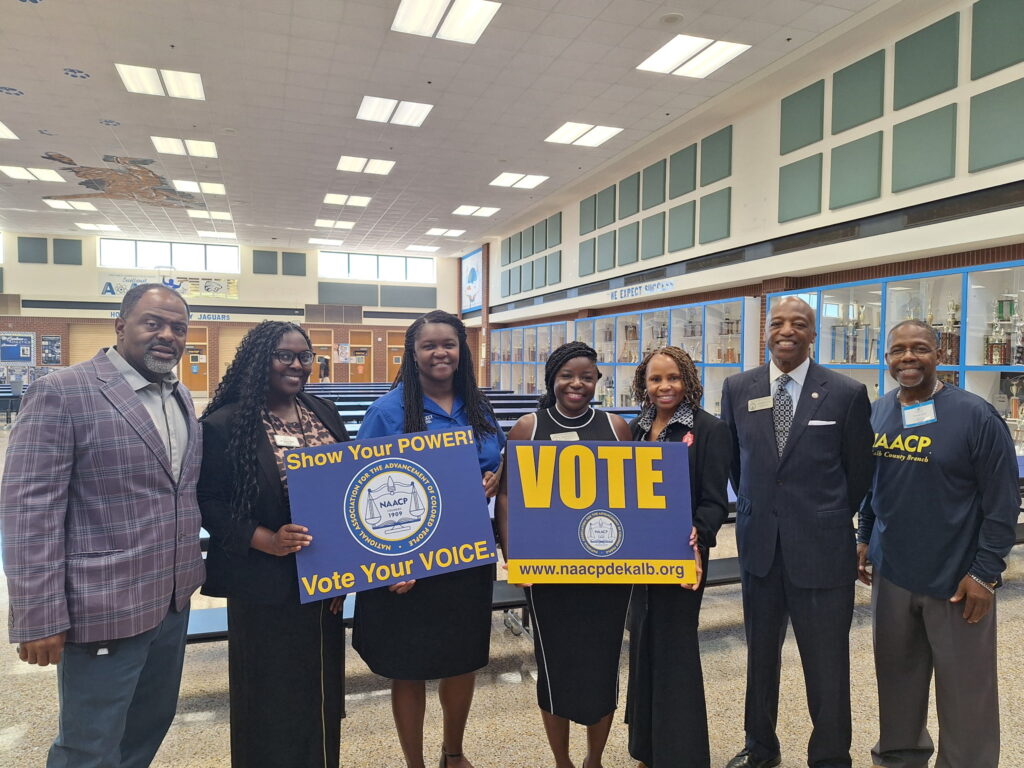
National Voter Registration Day! Our Team at Work!
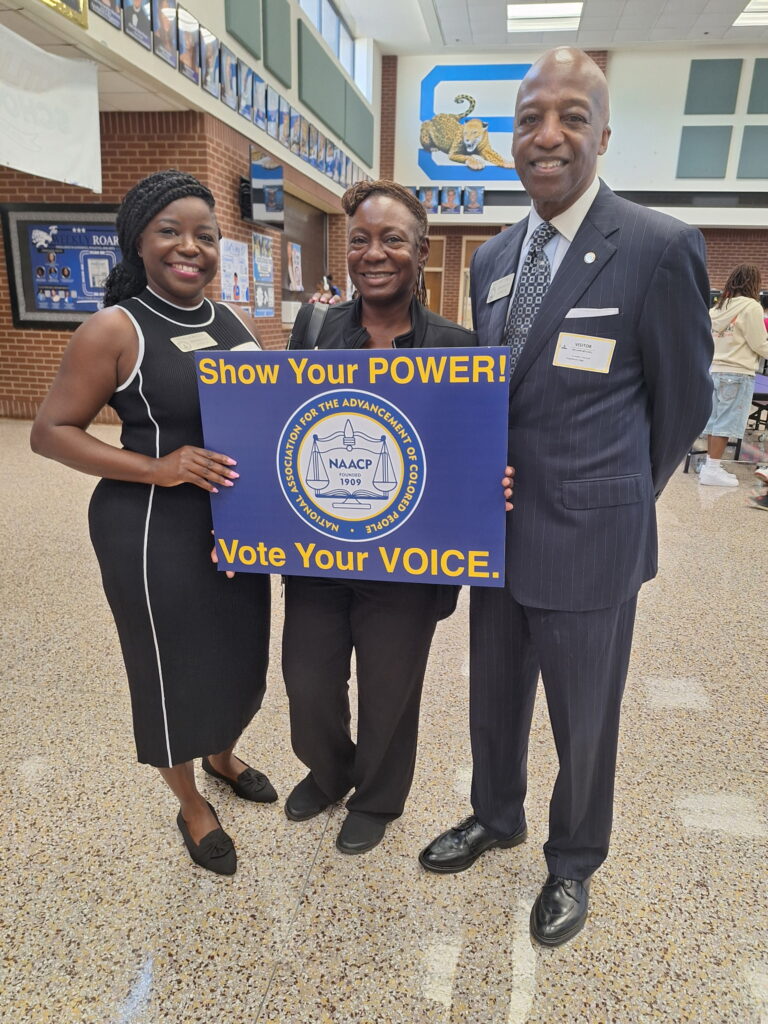
DISCLAIMER: The National Association for the Advancement of Colored People (NAACP) is a 501(c)(3) nonprofit organization and does not endorse candidates or political parties, or engage in direct campaigning.
As the nation’s oldest and largest civil rights organization, the NAACP actively works with our more than 2,000 branches to inform and encourage civic engagement through voter registration activities and public forums, and actively opposes voter discrimination and other policies that make it more difficult for citizens to cast their ballot.